
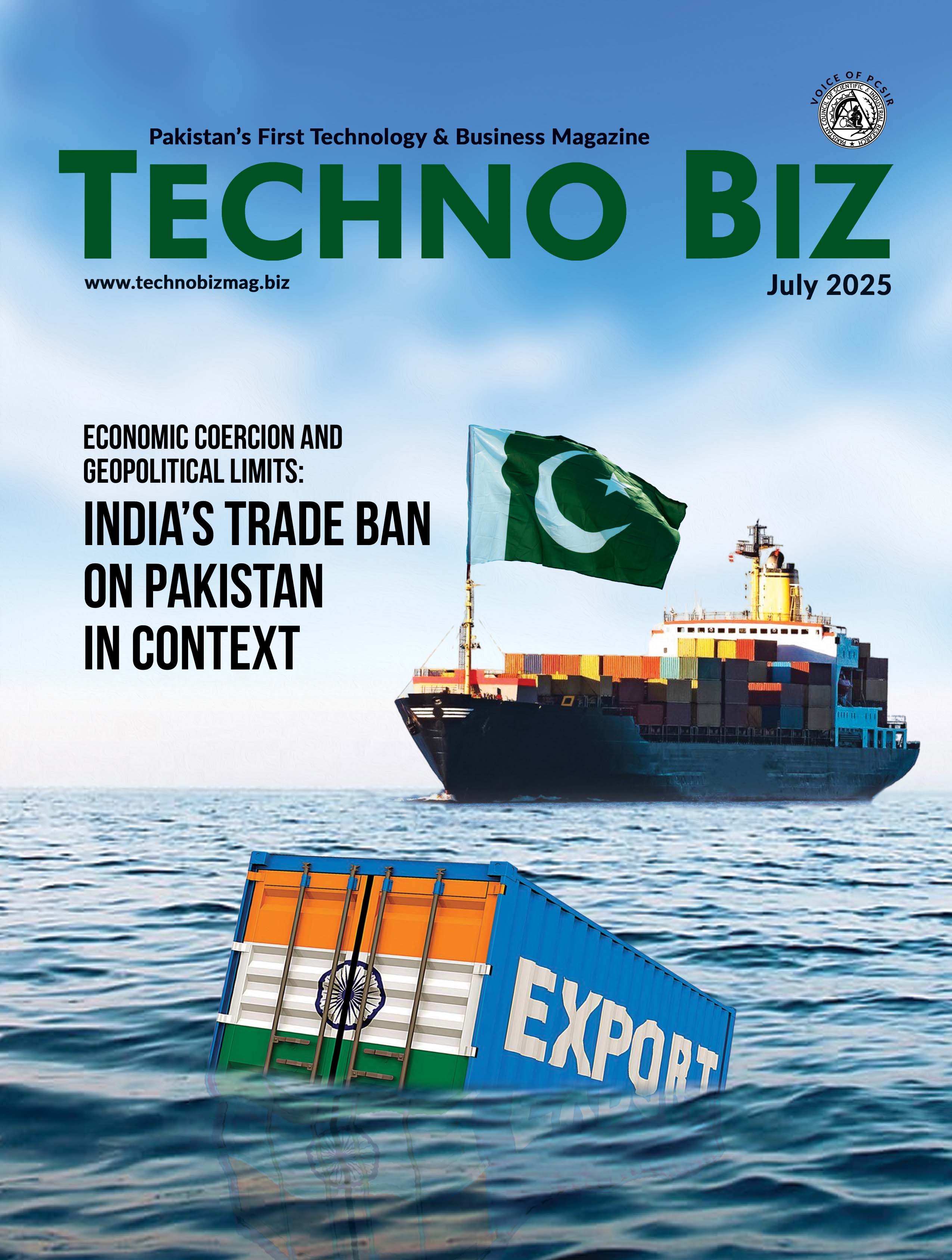
India’s recent attempt to obstruct Pakistan’s external trade by banning vessels carrying Pakistani cargo from docking at Indian ports has not achieved its intended objectives, according to shipping industry professionals. Although the move was part of a broader strategy to exert economic pressure on Pakistan, the impact was marginal. Thanks to alternative logistics solutions and rerouted shipments, Pakistan’s trade activities continued with minimal disruption—highlighting both the resilience of global trade networks and the limitations of unilateral economic actions for geopolitical leverage. On May 2, India announced a prohibition on vessels transporting goods to or from Pakistan, barring them from entering Indian ports or Indian territorial waters. This decision, widely interpreted as retaliatory, coincided with rising tensions between the two nuclear-armed neighbors. Just five days later, on May 7, India launched ‘Operation Sindoor,’ a military operation that triggered a swift and forceful Pakistani response. The operation was terminated within four days. These military and economic moves were seen as part of a coercive strategy, but the economic pressure failed to deliver the desired blow.


