How to Get Clear Skin
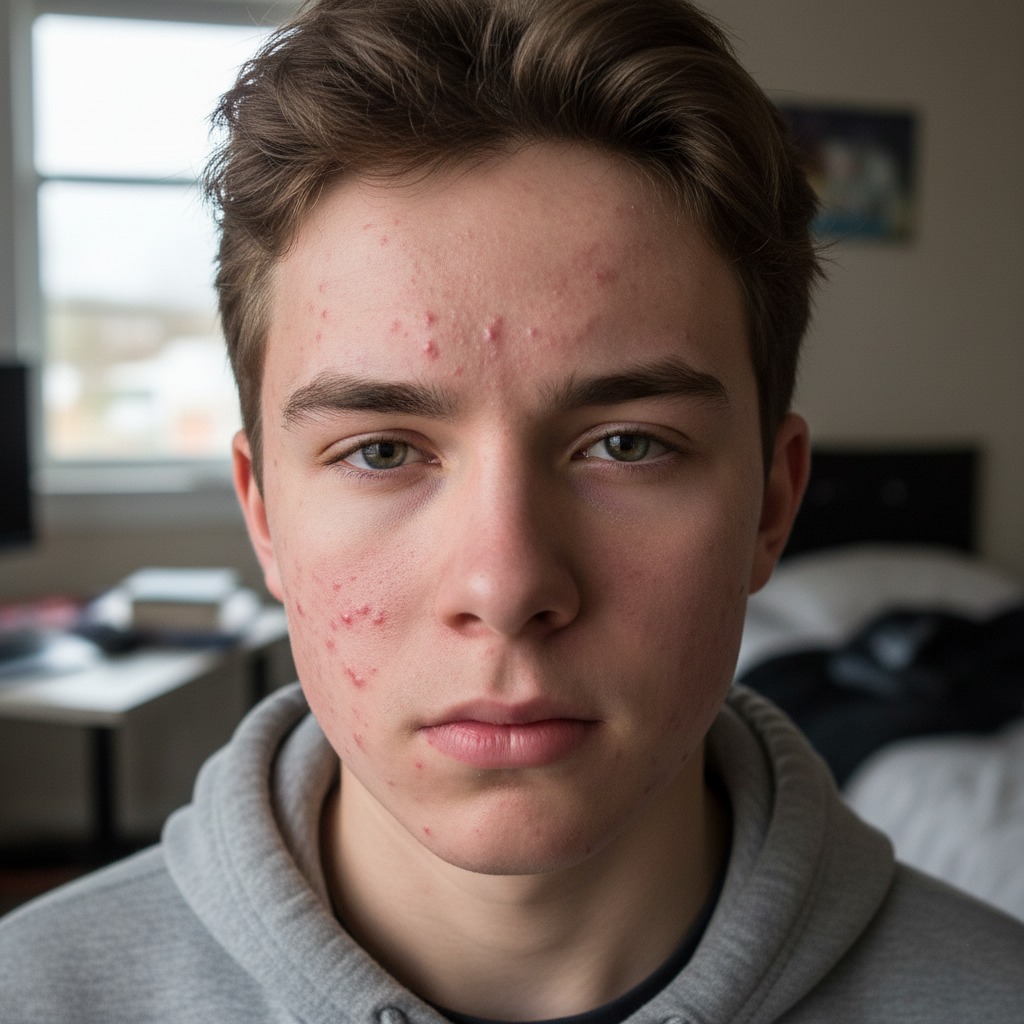
Acne is a nightmare for many teenagers. It primarily affects the face, the part of the body most visible to the world.
But it can also sometimes affect the neck, chest, upper back, or shoulders, which become covered in blackheads (or comedones), superficial pimples, or deeper lesions.
Acne is caused by inflammation of the sebaceous glands.
Located deep within the dermis, these glands produce sebum, a kind of oily film that prevents the skin and hair from drying out. During puberty, under the influence of hormones, the sebaceous glands suddenly produce much more sebum, and they can become congested and blocked. They can also be infected by bacteria naturally present under the skin. Redness, blackheads, pimples, papules, nodules, or cysts may then appear.
Fact about Acne:
In the vast majority of cases, acne is only a temporary inconvenience. But because it occurs at an age when one is very sensitive to the opinions of others, it can lead to a loss of self-esteem, a lack of confidence, and the temptation to isolate oneself.
Acne, a rite of passage
Acne isn't just a skin condition reserved for teenagers; it also affects adults. However, young people pay the heaviest price, especially those whose parents both suffered from it. sIt's estimated that a majority of teenagers –around 80% experience this problem, with the majority of boys affected. Be patient! In the vast majority of cases, acne disappears between the ages of 20 and 30.
The causes of acne
There are different types of acne. The hormonal surge of puberty is the main reason for acne breakouts. It triggers an increase in sebum production. This is particularly true for boys.
But in women, hormonal fluctuations related to the menstrual cycle also cause acne breakouts in some, for example, a few days before menstruation. This can also occur when starting or stopping certain birth control pills, or even later in life, during pregnancy or menopause.
Anything that irritates the skin (friction from clothing, chemicals), the use of oily and greasy substances (some cosmetics like foundation) can clog pores and lead to acne. Excessive sweating can also contribute.
Solutions for Acne Breakouts
While it's impossible to prevent acne, simple non toxic skincare measures can help prevent it from worsening:
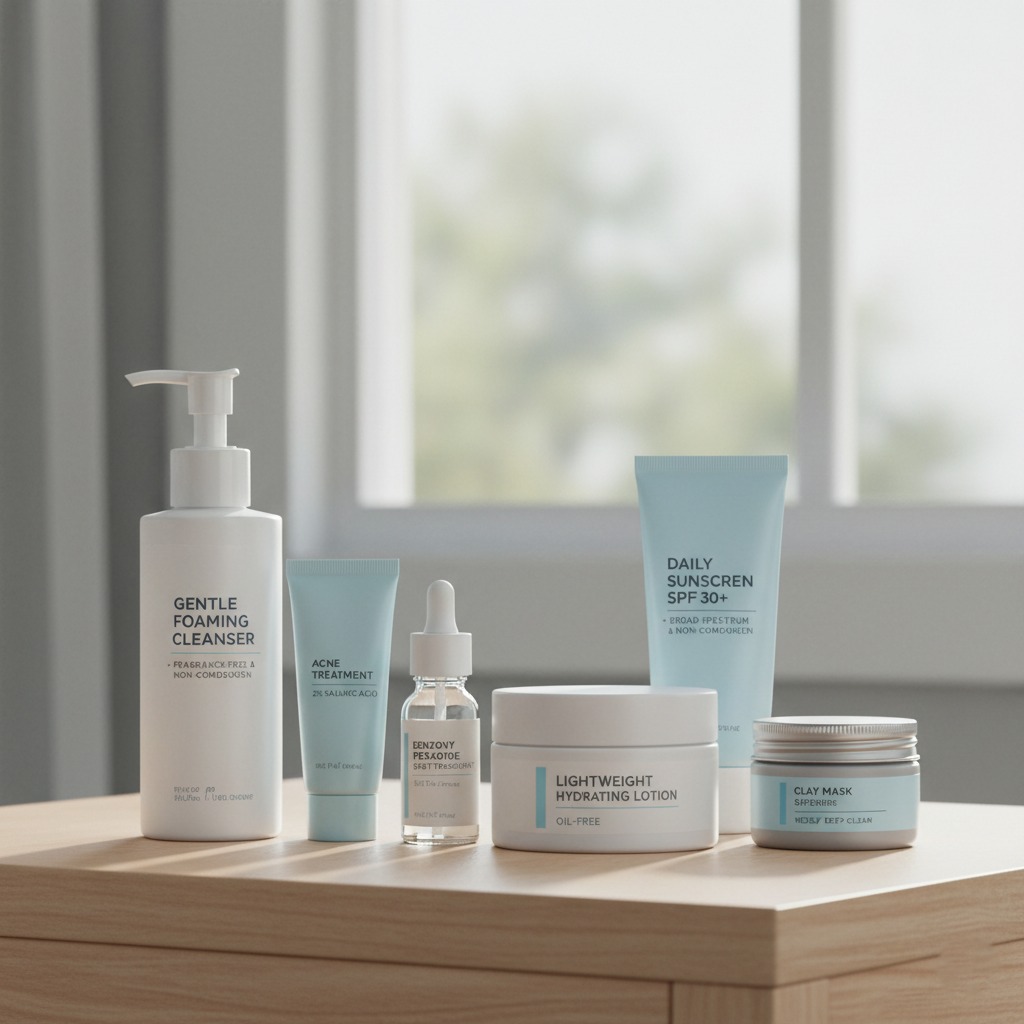
Cleanse your face morning and evening with a mild, unscented soap or cleanser.
Never pick, squeeze, or pop pimples and blackheads.
Avoid aftershave lotions containing alcohol, heavy or oil-based makeup.
Always remove your makeup before going to bed.
These measures aren't always enough. Your general practitioner can then advise you on treatments tailored to the severity of the condition. Generally, teenage acne responds well to treatment. In adults, treatment is sometimes a little more complex.
Chemical free skincare
For mild acne, Chemical free skincare products are usually sufficient to reduce sebum production and bacterial growth. These medications are available as creams, lotions, and gels and may contain ingredients such as benzoyl peroxide or antibiotics. These products may be irritating at the beginning of treatment: if this happens, small amounts can be applied and the skin rinsed off after a few hours. They must be applied daily.
For moderate to severe acne, oral treatments, of varying strengths depending on the severity of the problem and tailored to the symptoms, can be added. Some of these (vitamin A derivatives) have harmful side effects: they are only prescribed under close monitoring (with blood tests), and never to women who are pregnant or may become pregnant.
Good to know:
– For young women seeking contraception, certain birth control pills are an effective solution for acne. Don't hesitate to discuss this with your general practitioner.
– In all cases, a little patience is required: it sometimes takes a few weeks or more of treatment before results are seen.
– Scars can be treated once the acne has cleared up.